

Understanding the Implications of ‘Not On’ in UK Horse Racing
The phrase ‘Not On’ is a common term in the UK horse racing community, often representing the unfortunate cancellation of a race. Whether due to weather conditions, health issues among horses, or logistical challenges, these cancellations can significantly affect the participants and the broader racing milieu. For comprehensive insights into the cultural aspects surrounding horse racing, the Cornish choirs’ influence on local events, and more, visit UK Horse Racing Not on GamStop www.fed-cornishchoirs.org.uk.
The Significance of Horse Racing in the UK
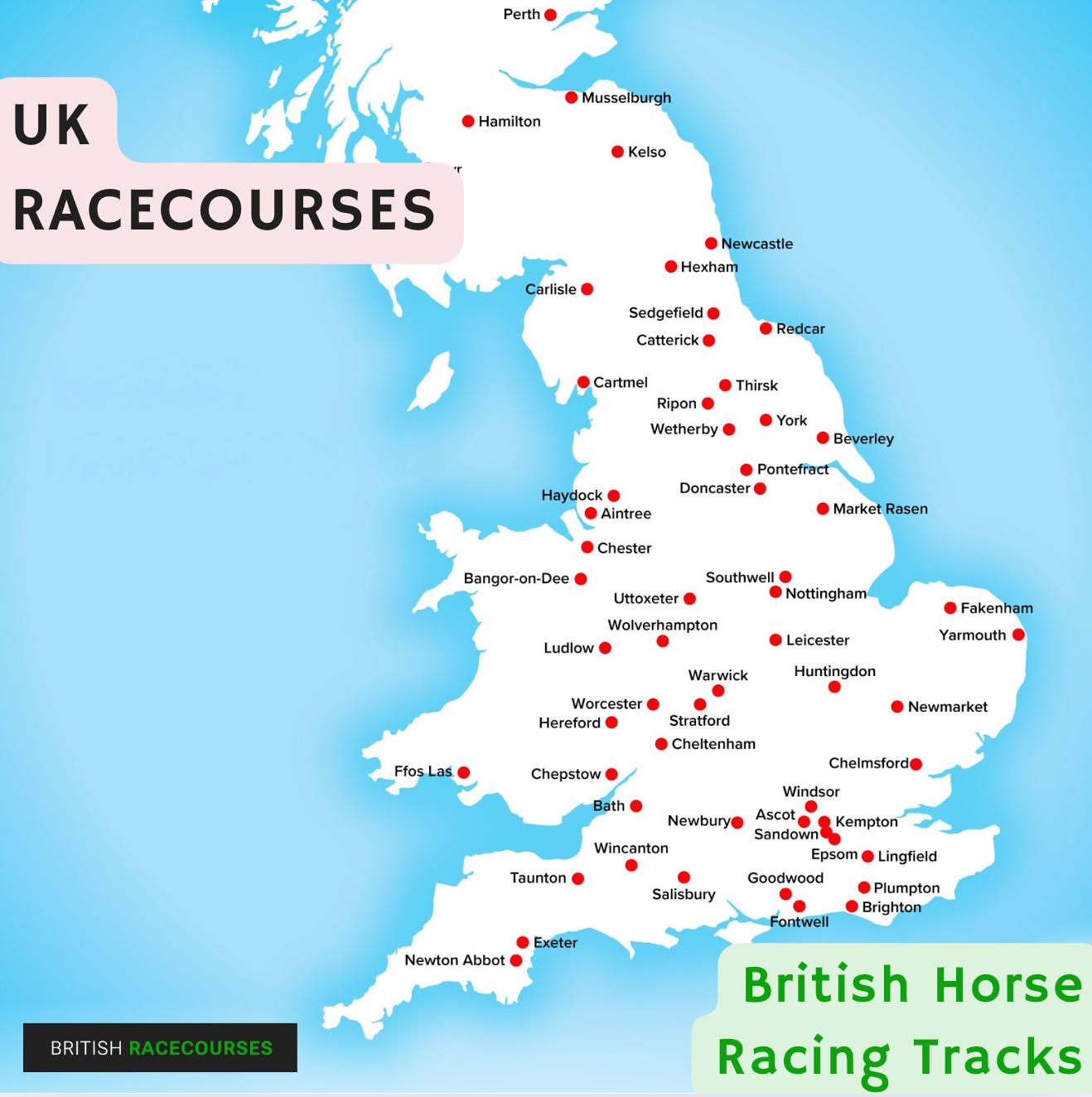
Horse racing in the UK is not just a sport; it is a tradition deeply woven into the social and cultural fabric of society. Racing events attract large crowds, showcase equine talent, and provide a platform for betting, which has significant economic implications. The annual calendar is packed with prestigious events such as The Grand National, Royal Ascot, and Cheltenham Festival, drawing in millions of spectators and punters alike. However, the phrase ‘Not On’ can cast a shadow over these highly anticipated occasions.
Reasons for Cancellations: Weather and Safety
One of the most common reasons for a race being ‘Not On’ is inclement weather. Heavy rain, snow, or extreme heat can lead to unsafe conditions for both horses and jockeys. Tracks may be deemed unraceable, prompting organizers to make the difficult decision to cancel events to ensure the safety of all participants. Maintaining the integrity of the sport is paramount, and while cancellations can be frustrating for fans and bettors, they are often necessary for ethical reasons.
Health Concerns: Equine Well-Being
Health issues among horses can also lead to race cancellations. The welfare of the animals is prioritized by racing authorities, and any signs of illness or injury can trigger an immediate halt to races. Recent initiatives have focused on improving veterinary care and monitoring practices within the industry, which has, in some instances, led to more frequent race cancellations as safety protocols become stricter. This responsibility underlines the racing community’s commitment to maintaining high ethical standards.
Logistical Challenges Facing Racecourses
Logistical difficulties can pose another barrier to racing events. Issues such as insufficient staffing, transportation problems, or technical malfunctions related to betting systems can lead to last-minute cancellations. The racing industry relies heavily on a smooth operational flow, and any disruption can force organizers to call off a race, much to the dismay of all involved.
The Impact on Bettors and the Community
When a race is marked ‘Not On’, there are immediate consequences for bettors. Punters often plan their budgets and strategies around specific races, and cancellations can lead to lost wagers and altered betting plans. Moreover, for local economies that benefit from racing events, the impact can be significant. Local businesses, hospitality sectors, and tourism surrounding these events face financial downturns with the disappearance of visitors and bettors during a scheduled race day.
Strategies for Facing ‘Not On’ Events
For racegoing fans and bettors, adaptability is key. Staying informed about weather conditions and health updates can help bettors mitigate losses. Many betting platforms also provide options for in-play betting or allow punters to shift their focus to alternative races or events on the same day.
The Role of Technology in Modern Horse Racing
Technology plays a crucial role in modern horse racing, from live broadcasting to on-the-ground applications that monitor equine health and track conditions. Improved communication means that the racing community can swiftly share information regarding cancellations. Digital platforms now allow bettors to transition to alternative races easily, keeping engagement levels high even when specific races are called off.
Conclusion: Beyond the Cancellation
While the term ‘Not On’ may evoke disappointment, it is essential to understand the broader context of horse racing in the UK. The commitment to safety and well-being, coupled with the challenges presented by weather and logistics, underscores a robust ethical framework guiding the sport. As fans and participants navigate these hurdles, it is crucial to remember the essence of horse racing: the passion for the sport, the love for the horses, and the community that unites everyone involved.
In the grand tapestry of UK horse racing, cancellations may be but a thread, but they can reverberate throughout the entire community. The focus remains on maintaining a safe and fair environment for all, ensuring that the spirit of the race lives on in the hearts of fans, bettors, trainers, and everyone involved in this beloved tradition.